Australia Implements Social Media Ban for Minors Under 16
Australia bans social media for under-16s, mandates age checks, fines and facial recognition, raising privacy and effectiveness concerns.
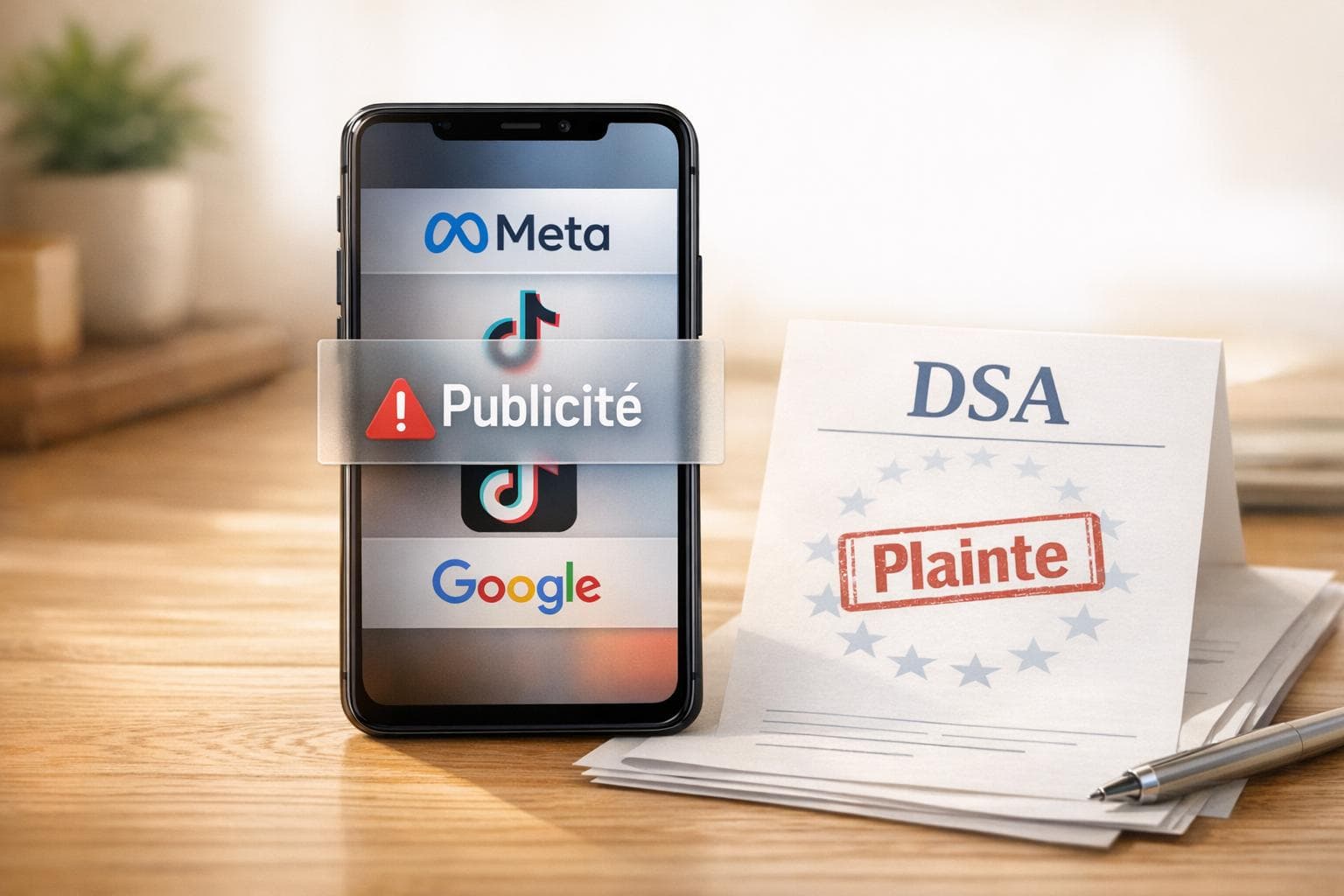
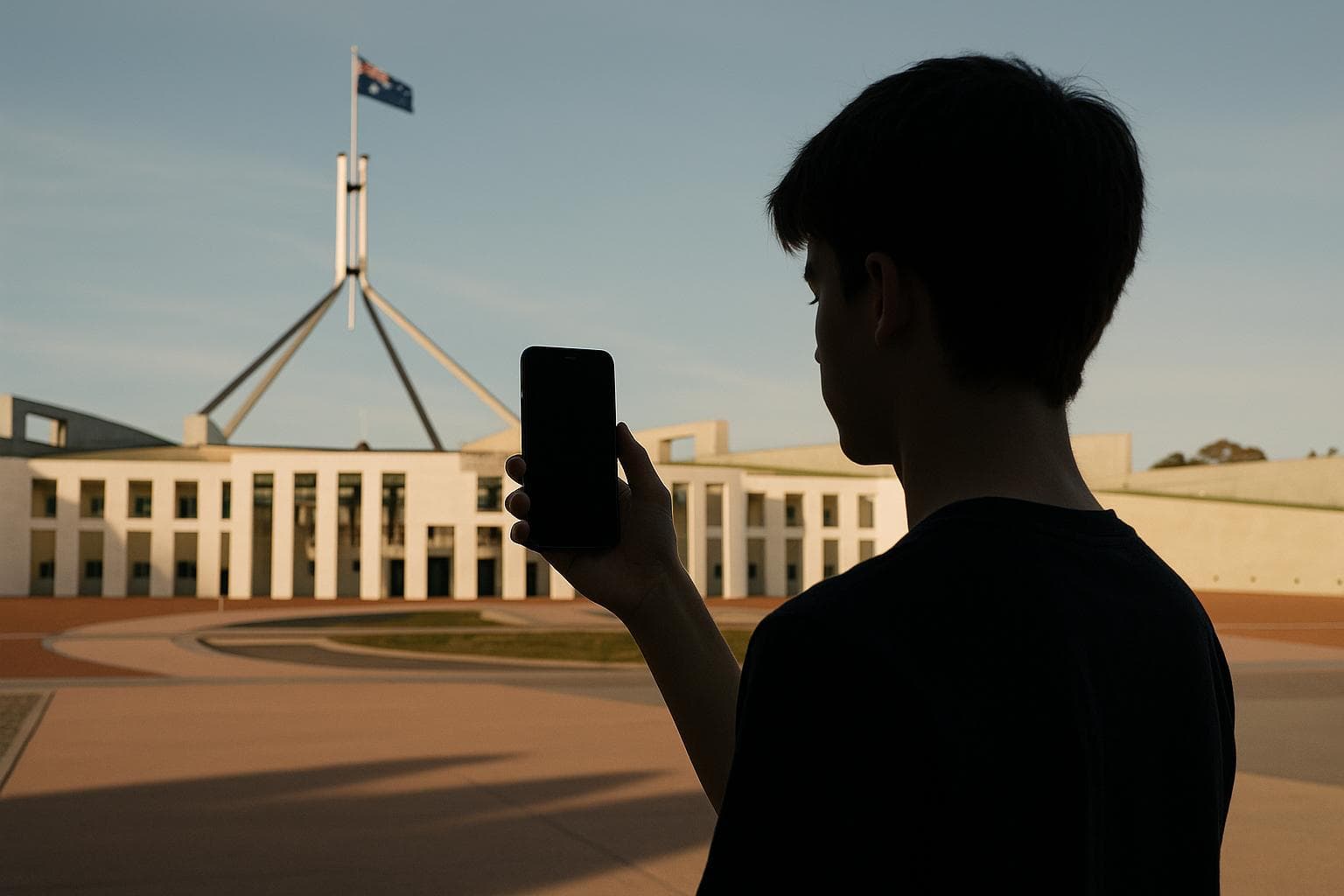
Australia has enacted groundbreaking legislation that prohibits social media access for individuals under the age of 16. The new law, which will take effect on December 10, shifts the responsibility of enforcement entirely onto digital platforms, including major players such as Facebook, Instagram, TikTok, and X. Companies found to be in violation face fines of up to 49.5 million Australian dollars (approximately R$170 million) for non-compliance.
The government framed the measure as a response to research highlighting extensive social media use among children. According to the findings, 96% of Australians aged 10 to 15 are active on social media, with 70% reporting exposure to harmful behavior, including violent content, self-harm encouragement, and cyberbullying. The legislation aims to mitigate these risks by addressing the algorithms and mechanisms that keep children engaged on these platforms, potentially at the expense of their mental health and safety.
How the Ban Will Work
Under the law, social media platforms are required to remove the accounts of users under 16 and block new registrations for this age group. While parents and children themselves are not subject to penalties, the platforms bear full responsibility for compliance, which includes investing in staff, monitoring systems, and advanced technology.
The platforms must adopt "reasonable measures" for age verification. These include the use of official documents, facial or voice recognition systems, and behavior analysis to estimate users' ages. Australia’s government has been clear that relying on parental approvals or simply asking for a date of birth will no longer suffice. However, the mechanisms for verification have sparked privacy concerns. Critics worry about the collection and storage of sensitive data, with privacy experts pointing to the risks of mass surveillance and potential data breaches.
"The idea is to tighten the filter and prevent the automated registration of children's profiles on a mass scale", the government stated. Officials assure that the law includes "strong protections", requiring data to be destroyed after use and imposing severe penalties for breaches. However, digital rights organizations remain skeptical about the enforceability of these standards on an industrial scale.
Platforms Respond to New Requirements
Major tech companies are reacting differently to the legislation. Meta, the parent company of Facebook, Instagram, and Threads, has pledged to begin closing accounts belonging to users under 16 starting December 4, ahead of the required deadline. Users mistakenly removed may appeal by submitting documentation or a selfie video for age verification.
Other platforms, including TikTok, X, and Reddit, have expressed reservations, arguing that the law could drive children to less regulated corners of the internet. These companies suggest the ban may inadvertently push young users toward platforms with fewer moderation and safety features, creating new risks.
Some services, such as YouTube Kids and WhatsApp, have been excluded from the ban, as they do not meet the legislation's definition of a social network. However, the government has indicated that the scope of the law could expand in the future to include online games that function as de facto social networks by enabling communication and content sharing between users.
Doubts About Effectiveness
Although the law promises to reduce exposure to harmful content, experts have raised concerns over its practical effectiveness. Teenagers, for example, are reportedly exploring workarounds such as creating accounts with false birth dates, sharing profiles with their parents, or using VPNs to bypass restrictions.
There are additional fears that the law could unintentionally isolate young people. For many teenagers, social media provides vital connections to peers and support groups. Psychologists and educators warn that banning access without complementary digital education strategies risks "trading one risk for another by cutting important social ties during delicate phases of life."
Privacy and Data Security Concerns
The enforcement of the law requires robust age verification systems, which inevitably involve collecting sensitive user data. Privacy advocates warn that these measures could create a "super-registry" of user data that would be highly valuable to cybercriminals. Australia's history of major data breaches in banking, healthcare, and telecommunications further fuels these fears.
Critics are particularly concerned about the storage of facial recognition data, official documents, and other sensitive information. While the government claims these materials will only be used for verification and destroyed promptly afterward, public trust remains fragile. "Storing the faces, documents, and sensitive data of millions of people creates a gigantic risk surface", privacy experts argue.
A Global Experiment in Social Media Regulation
Australia’s legislation represents the most stringent social media age restriction enacted to date. Globally, other countries are exploring similar measures, though none have gone as far as Australia in fully banning social media access for minors under 16. In the United Kingdom, for instance, fines and even imprisonment for executives are among the penalties for failing to protect young users from harmful content. Meanwhile, European nations are considering "digital curfews" and mandatory parental authorizations for teenagers.
By comparison, Brazil has opted for a different model through its "Digital Statute for Children and Adolescents", which requires minors under 16 to link their accounts to a legal guardian rather than banning access outright.
The effectiveness of Australia’s ban will likely influence policy debates worldwide. If the implementation succeeds in reducing exposure to harmful content without driving teenagers toward unregulated alternatives or compromising privacy, it could serve as a model for other nations. Conversely, if the policy fails, it may highlight the limits of government intervention in a decentralized and globalized digital environment.
With the December rollout looming, Australia now stands at the forefront of the global push to regulate children’s access to social media. Whether this bold move will create a safer digital space or give rise to unintended consequences remains to be seen.
Yohann B.