
Amazon mandates the use of Kiro, its AI tool, for 80% of developers
Amazon aims for 80% weekly adoption of Kiro, its AI coding assistant, despite internal hesitations.
Amazon aims to make the use of artificial intelligence (AI) for programming a common practice among its employees. According to information from the Financial Times, the goal is for 80% of the company's developers to use AI tools at least once a week. However, Amazon imposes a strict condition: the only allowed option is Kiro, its internal AI coding assistant, launched in July 2025.
Kiro, an Internally Mandated Tool
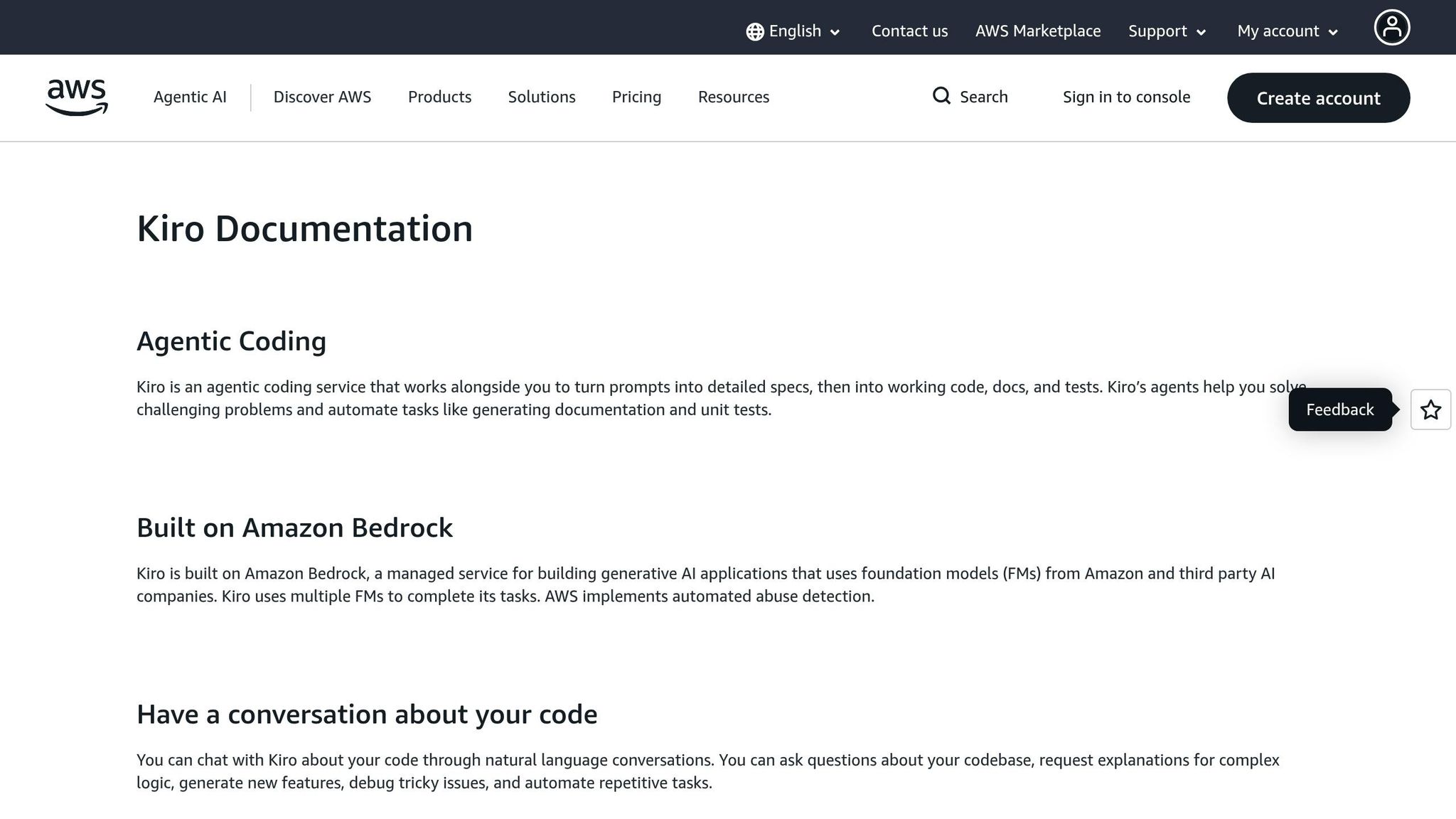
In an internal memo reviewed by Reuters last November, Amazon clearly stated that no other third-party AI development tools would be supported. Signed by two senior vice presidents, Peter DeSantis of AWS Utility Computing and Dave Treadwell of the eCommerce Foundation, the memo designates Kiro as the recommended native development tool by Amazon. Furthermore, some competing tools, such as Codex from OpenAI, have been categorized as not to be used after a six-month evaluation period. Another tool, Claude Code from Anthropic, also temporarily received this same treatment, although this decision was later reversed.
According to a company spokesperson quoted by Business Insider, about 70% of Amazon's software engineers had used Kiro at least once by January. The goal is to rapidly increase this percentage to meet the target.
Employee Resistance: Claude Code Preferred by Many
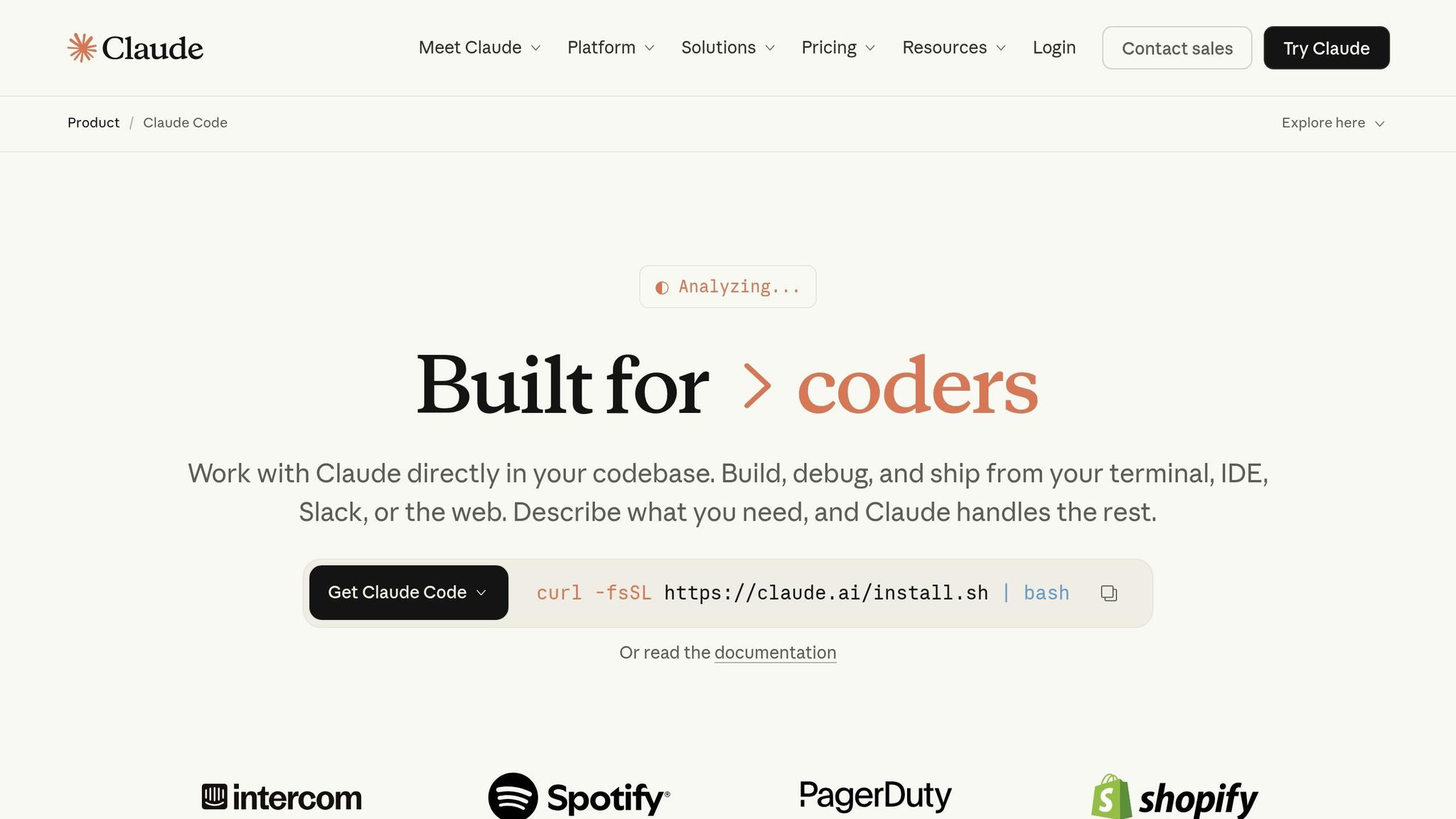
Despite this push for adoption, not all employees are convinced of Kiro's superiority. Approximately 1,500 Amazon employees have publicly expressed their support within an internal forum for the official adoption of Claude Code, a competing tool. Many believe that Claude Code is simply better. "A tool that cannot compete with its rivals offers no real innovation," wrote one employee, adding that "Kiro's only survival mechanism becomes forced adoption rather than genuine added value."
Frustration is particularly strong among AWS commercial engineers who must sell Claude Code to clients via Amazon's Bedrock platform, while they cannot use it themselves in their own projects. "Clients ask us why they should trust a tool that we do not endorse for internal use," one of them stated.
Amazon responded by asserting that there is no outright ban on Claude Code, but that "stricter requirements" apply when it comes to tools used in production.
A Massive AI Strategy Under Jassy's Leadership
The emphasis on Kiro is part of a broader transformation of Amazon under the leadership of its CEO, Andy Jassy. With a stated ambition to enhance efficiency gains through AI, the company has drastically reduced its workforce. Since October 2025, Amazon has cut 30,000 jobs in its offices, marking the largest reduction in its history.
In parallel, Amazon has made immense investments in AI and associated infrastructure. According to the Financial Times, the company has allocated a record budget of $200 billion for its investment spending this year, with the majority directed towards AI infrastructure and data centers.
However, some Amazon engineers do not hide their doubts about the company's AI strategy. Several have told the Financial Times that they prefer Claude Code models from Anthropic over Amazon's Nova models for their coding tasks. As one AWS engineer stated about this: "I didn't even know we had a model."
Between Investments and Internal Frustrations
The situation is further complicated by Amazon's $8 billion investment in Anthropic, the company behind Claude Code, and a massive $38 billion contract with OpenAI, whose Codex tool is also restricted internally. This dual posture, where Amazon invests in competing tools while mandating Kiro, fuels tensions and internal debates.
If Amazon wants to achieve its ambitious goal, it will need to not only convince its developers of Kiro's effectiveness but also manage the contradictions surrounding its partnerships with AI leaders.
Geoffrey G.